Greene County sits at the crossroads of the Hudson Valley and the Catskill Mountains, and that geography creates tree removal situations you will not find anywhere else in the region. A property in the Village of Catskill at 200 feet of elevation deals with different species, different soil, and different storm patterns than a cabin in Windham at 2,000 feet. Understanding those differences is the first step toward making good decisions about the trees on your property.
At Expert Tree Service, we have provided tree removal, tree trimming, tree pruning, and emergency tree service in Greene County since 1936. Whether you need a professional tree service in Greene County for routine maintenance, a commercial tree service in Greene County for a resort or rental property, or a trimming and pruning service in Greene County to keep your trees healthy, we can help. Below, we cover what property owners should know about local tree removal regulations, the species that cause the most problems, and how to handle tree work in both the valley towns and the mountain communities.
Valley Towns vs. Mountain Properties: Why It Matters
Greene County spans a dramatic range of terrain. The river towns along the Hudson, including Catskill, Athens, and Coxsackie, sit at low elevations with relatively mild winters and a tree mix that looks similar to the rest of the Mid-Hudson Valley: Norway Maple, Sugar Maple, Silver Maple, and ornamental species like Callery Pear and Crabapple.
Head west into the mountains and everything changes. Communities like Windham, Hunter, and the hilltowns of Durham and Cairo sit at higher elevations where the growing season is shorter, winters are harsher, and the tree population shifts heavily toward conifers. Norway Spruce, Eastern Hemlock, White Pine, and Balsam Fir are far more common up there. These species create different removal challenges: conifers tend to be tall, narrow, and dense, and they hold snow and ice loads differently than hardwoods.
The practical impact for homeowners is that tree removal in the mountain towns often involves steeper terrain, longer access routes for equipment, and species that behave differently when they fail. A Sugar Maple in Catskill might lose a major limb in a windstorm. A Hemlock on a Windham hillside can uproot entirely when saturated ground combines with ice loading. If you are dealing with a tree near your home, our guide on when to remove a tree next to your house can help you assess the risk regardless of where in the county you live.
Storm Damage and Emergency Tree Removal in Greene County
Greene County catches weather from multiple directions. The valley towns get the same Hudson Valley storms that affect the rest of the region, but the mountain communities also see lake-effect moisture, heavy ice events, and significantly higher snowfall totals. The result is that storm damage tree removal is a major part of what we do in Greene County.
When a tree comes down on your house, blocks your driveway, or takes out a power line, you need a company that can respond fast. We provide 24/7 emergency tree service across Greene County, from Catskill to Windham. If a storm hits and you are wondering whether your insurance will cover the cleanup, our article on whether insurance covers tree removal explains what most policies pay for and what they do not.
Even after the immediate emergency is handled, storm-damaged trees that are still standing can be dangerous. Trees that have lost major limbs or been partially uprooted may look stable but can fail days or weeks later. We call these zombie trees, and they are one of the most underestimated hazards for property owners after a storm.
Tree Removal Regulations in Greene County
Like most of New York, Greene County does not have a single countywide tree ordinance. Regulations are set at the village and town level, and they vary. We maintain a comprehensive, regularly updated guide to tree removal laws across the Hudson Valley, but here is a summary of the two Greene County municipalities where we do the most work.
Catskill
The Village of Catskill became a New York State Tree City in 2019 and published a comprehensive tree inventory in 2021. Their tree code is among the stricter ones in the region: you must obtain written approval from the Village Board before removing, cutting, topping, or pruning any public tree, including park trees, roadside trees, and any tree growing on a street easement. The law requires that every effort be made to preserve trees and that the least severe approach be used.
For trees on private property, the restrictions are lighter, but homeowners should still verify before removing anything near the public right-of-way. You can reach the Catskill Village government at (518) 943-3830. Norway Maple is by far the most common tree in the village, followed by Bradford Pear and Silver Maple. Our full inventory guide covers Catskill’s top 11 trees with care and maintenance tips, and our Catskill tree removal page has details on the services we offer there.
Athens
Athens earned its Tree City USA designation in 2020 and is Greene County’s first incorporated village. The regulatory approach is somewhat different from Catskill’s: the Department of Public Works can prune branches of privately owned trees if they overhang streets or public rights-of-way, and they can remove trees after providing 60 days of notice. One notable requirement is that if you remove a tree, any stump larger than 12 inches in diameter must be ground to several inches below soil level and reseeded.
Sugar Maple is the most common tree in Athens, followed by Norway Maple and Callery Pear. Our guide to Athens’ 8 most common trees covers maintenance recommendations for all of them, and our Athens tree removal page has more on what we offer in the area.
Mountain and Rural Communities
Many of the hill towns and mountain communities in Greene County, including Windham, Hunter, Cairo, Durham, Greenville, and Coxsackie, do not have formal tree removal permit requirements for private property. However, properties near streams, wetlands, or state-managed lands may be subject to DEC regulations. Our article on DEC permit requirements for tree removal near waterways covers the current rules, which apply throughout the Hudson Valley and Catskills region, not just along Esopus Creek.
Trees That Cause the Most Problems in Greene County
Based on our experience working across the county, certain species generate the majority of removal and service calls.
Norway Maple. The most common tree in Catskill’s inventory with 91 specimens, and the second most common in Athens. These trees were planted throughout the valley towns in the mid-20th century but are now considered invasive in New York State. They are prone to verticillium wilt and structural failure, and many are reaching the end of their useful lifespan after 50 to 70 years. Norway Maple removal is one of our most frequent calls in Greene County.
Silver Maple. The third most common tree in Catskill, Silver Maples grow fast but produce weak wood that is highly susceptible to storm damage. Their shallow, aggressive root systems also cause problems with sidewalks, foundations, and septic systems. If a Silver Maple on your property has a large canopy overhanging your roof, it is worth having an arborist evaluate it before the next ice storm.
Callery (Bradford) Pear. Bradford Pear is the second most common tree in Catskill and Callery Pear is the third in Athens. These trees are notorious for splitting apart in storms due to their weak branch structure. With a lifespan of only about 30 years, many of the Bradford Pears planted in the 1990s are now at their most failure-prone age.
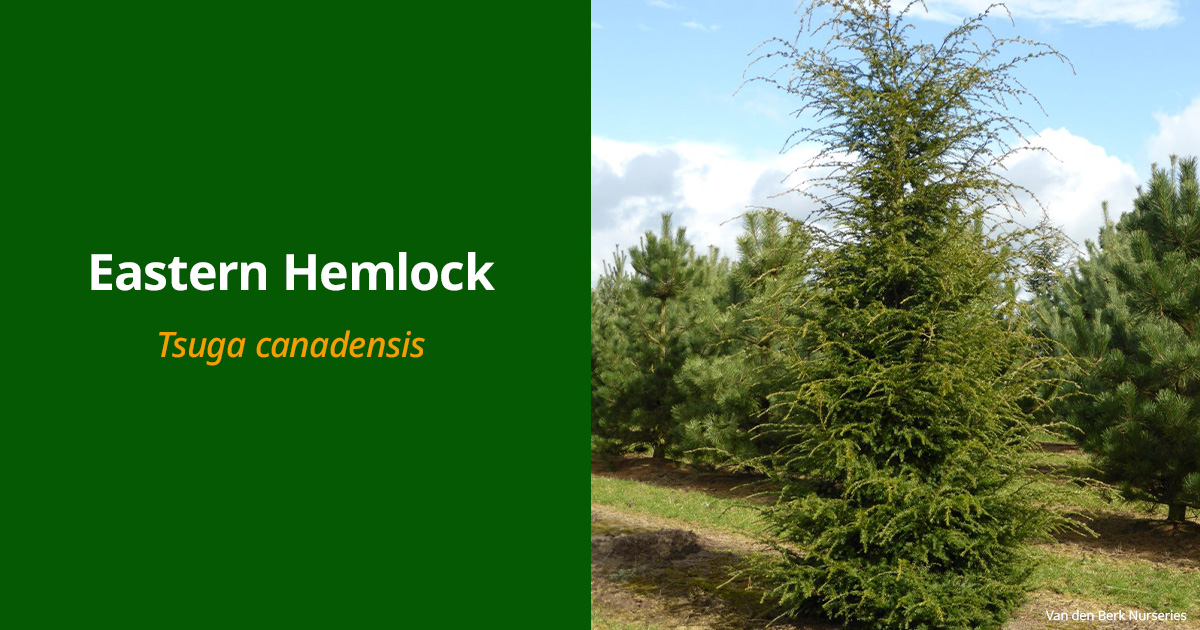
Eastern Hemlock. In the mountain towns, Eastern Hemlocks face a serious threat from the hemlock woolly adelgid, an invasive insect that has been spreading through the Catskills. Infected hemlocks weaken over several years before dying, and dead hemlocks on steep terrain become serious hazards. Our article on invasive species harming Hudson Valley trees covers this and other active pest threats in the region.
Ash Trees. Like the rest of the Hudson Valley, Greene County’s ash tree population has been devastated by the emerald ash borer. Dead standing ash trees are especially dangerous because the wood becomes brittle quickly after the tree dies. If you have ash trees on your property, read our post on zombie trees to understand why prompt removal matters.
For a broader look at disease patterns in the region, our article on the history of tree disease in the Hudson Valley provides useful context, and the gypsy moth outbreak article covers another active threat to Greene County forests.
Commercial Tree Service in Greene County
Greene County is not only residential. The county has a significant tourism economy, with ski resorts, wedding venues, campgrounds, farms, and Airbnb properties that all have tree maintenance and removal needs. A fallen tree blocking a resort access road or a dead tree leaning over a rental cabin creates liability and urgency that goes beyond typical homeowner situations.
We provide commercial tree service in Greene County for businesses and property managers who need reliable, responsive tree work. Our article on tree removal for businesses in the Hudson Valley covers the liability, permitting, and planning considerations that commercial clients should understand. While that article focuses on Ulster and Dutchess County, the same principles apply to Greene County commercial properties.
What to Look for in a Greene County Tree Service
Choosing the right tree removal company in Greene County matters more than in some other areas, because of the terrain and species involved. A crew that mostly works on flat suburban lots may not be equipped for a removal on a steep mountainside property. Here is what to ask:
Are you licensed and insured? New York does not require a statewide tree service license, which means there is no barrier to entry. Make sure any company you hire carries both liability insurance and workers’ compensation. Without workers’ comp, an injury on your property could become your financial problem.
Do you have the right equipment? Large removals near structures require crane service or bucket trucks. Mountain properties may need specialized access solutions. Ask how they plan to execute the job, not just what they will charge. Our article on crane-assisted tree removal explains why equipment matters for complex jobs.
Can you assess my tree, not just cut it down? A qualified arborist can tell you whether a tree needs removal or whether pruning, cabling, or treatment might save it. Not every tree that looks bad is a lost cause. Our guide to finding the best tree removal company covers the full list of questions to ask before hiring.
Best Time for Tree Removal in Greene County
For non-emergency removal, winter is often the best time. Frozen ground means less lawn damage from heavy equipment, leafless canopies give the crew better sight lines, and demand is lower so scheduling is easier. This is especially true in the mountain communities where the frozen ground can actually make steep-terrain access simpler. We explain the advantages in our article on why winter is the best time for tree removal.
Fall is also a smart time to schedule, especially if you want to deal with problem trees before winter storms. Our article on fall tree removal and trimming covers the reasoning. And for pruning and trimming schedules by species, see our guide on the best time to trim and maintain trees in the Hudson Valley.
Get a Free Estimate for Tree Removal in Greene County
Expert Tree Service has served Greene County since 1936. We provide tree removal, tree trimming and pruning, stump grinding, emergency storm cleanup, and commercial tree service across the county, from Catskill and Athens to the mountain communities of Windham, Hunter, Cairo, and beyond. We are licensed, insured, and available 24/7 for emergencies.
Call us at 845-331-6782 or contact us online to schedule a free on-site estimate. We will assess your trees, explain your options, and give you an honest recommendation.