Dutchess County covers more than 800 square miles of the Hudson Valley, stretching from the river towns of Rhinebeck and Red Hook in the north to the rural hills of Pawling in the southeast, with the City of Poughkeepsie anchoring the middle. That range of geography means Dutchess County homeowners face a wide variety of tree removal and tree care situations depending on where they live.
As a licensed tree removal company that has served the Hudson Valley since 1936, we work across Dutchess County every week. Whether you need tree service in Dutchess County for routine tree care and tree pruning, emergency tree service after a storm, or a qualified arborist in Dutchess County to assess a problem tree, we can help. Below, we cover what property owners need to know before removing or maintaining trees in the county, including how regulations differ from town to town, what species create the most removal calls, and how to choose the right tree service.
Why Tree Removal in Dutchess County Is Different
Dutchess County is not one-size-fits-all when it comes to tree work. The property types, tree populations, and local rules vary significantly across the county. Understanding what makes your area different helps you plan ahead and avoid surprises.
Dense Suburban Lots vs. Rural Acreage
A tree removal job in Poughkeepsie, where homes sit close together on smaller lots, is a fundamentally different operation than removing a tree on a five-acre property in Pawling. In tighter settings, crane-assisted removal is often the safest option because there is not enough space to fell a tree conventionally without risking damage to a neighboring structure, power line, or fence. On larger properties, the concern shifts to access: getting heavy equipment to a tree that might be 200 feet from the nearest driveway.
If you have a large or complex tree near your home, you can learn more about how we handle those situations in our guide to large tree removal in Kingston and Poughkeepsie.
Riverfront and Wetland Properties
Homeowners near the Hudson River, Wappinger Creek, or any of Dutchess County’s designated wetlands should be aware that tree removal near waterways can trigger DEC permit requirements. New York expanded its wetland rules in recent years, and what used to be straightforward on a riverside lot may now require a general permit. Our article on tree removal near Esopus Creek and DEC permits walks through the current rules, which apply to waterfront properties throughout the Hudson Valley, not just in Ulster County.
Storm Damage and Emergency Removal
Dutchess County catches the same ice storms, nor’easters, and summer microbursts that affect the rest of the Mid-Hudson Valley. When a tree comes down on your house, driveway, or power line, you need emergency tree service fast. We provide 24/7 storm response across Dutchess County. If you are unsure whether your homeowner’s insurance covers the removal, we have a guide on whether insurance will cover your tree removal that explains what most policies do and don’t pay for.
Tree Removal Regulations Across Dutchess County
One of the biggest questions we get from Dutchess County homeowners is whether they need a permit to remove a tree on their own property. The short answer is: it depends on which town or village you live in. Dutchess County does not have a single countywide tree ordinance, so the rules vary municipality to municipality.
We maintain a detailed, regularly updated breakdown of tree removal laws across the Hudson Valley, but here is a summary of how the major Dutchess County municipalities handle things:
Poughkeepsie
The City of Poughkeepsie has been a certified Tree City USA since 1979, making it the first city in New York State to earn that designation. Their tree code is focused primarily on public and street trees: property owners are responsible for trimming or removing trees that obstruct sight lines for motorists, block sidewalks, or interfere with streetlights and traffic signs. Private trees on your own lot are generally your responsibility to manage without a permit, though trees that border the street should be reviewed carefully.
Poughkeepsie has over 12,000 inventoried municipal trees, and Norway Maple is by far the most common species in the city. For a full breakdown, see our guide to the 12 most common trees in Poughkeepsie. If you need tree removal service in the city, our Poughkeepsie tree removal page has more details on what we offer there.
Rhinebeck
Rhinebeck takes a more active approach. As a Tree City USA since 2010, the Village considers any tree within 30 feet of the center of the road to be a “Village Tree,” and you must seek Village permission before pruning or removing it. The Tree Commission meets monthly and maintains a current tree inventory. On the positive side, Rhinebeck also offers a free tree planting program for trees within that 30-foot zone.
The most common trees in the village are Norway Maple, Sugar Maple, and Thornless Honeylocust. We cover all nine of the top species in our post on Rhinebeck’s most common trees and how to maintain them. For tree removal and trimming service in the village, see our Rhinebeck tree removal page.
Red Hook
Both the Town and Village of Red Hook are certified Tree Cities, and the Town has held that designation for 17 years running. Red Hook’s code requires a removal permit for public trees, park trees, street trees, and any trees identified by size, location, or significance in their Community Forestry Management Plan. The plan also identifies certain pruning practices that could lead to tree destruction, which would also require a permit.
Sugar Maple is the dominant species in Red Hook, followed by Spruce and Pine. Our full guide to Red Hook’s most common trees covers maintenance tips for all six top species. Our Red Hook tree removal page covers what we offer in the area.
Pawling
Pawling takes a lighter regulatory approach. There do not appear to be specific permit requirements for removing trees on private property. However, if you have a dead or diseased tree that the Town considers a public hazard, they can give you 60 days notice and then come onto your property to remove it and bill you afterward. The Town conducted a comprehensive tree inventory in 2021, funded by a $25,900 DEC grant.
Norway Spruce is by far the most common species in Pawling, followed by Norway Maple and Sugar Maple. Our guide to Pawling’s 10 most common trees covers care and trimming tips for all of them. For tree removal service in Pawling, see our Pawling tree removal page.
Beacon
The City of Beacon commissioned an inventory of 855 street trees in 2013 and has followed many of the resulting recommendations, including maintaining diversity to prevent vulnerability to specific pests. Beacon does not appear to have onerous private tree removal requirements, but as with any municipality, trees that are city-owned or within the public right-of-way should be checked before any work is done.
Red Maple and Norway Maple are the two most common species in Beacon. Our full inventory guide covers all 19 of Beacon’s most common trees.
Tivoli
The Village of Tivoli completed its own tree inventory in 2023 through its Tree Committee. Callery Pear and Sugar Maple are the most common public trees in the village. Tivoli has a strong connection to its tree heritage, and their Local Waterfront Revitalization Program identifies trees as a major part of the community’s historic fabric. Our guide covers Tivoli’s 6 most common trees and how to care for them.
Trees That Cause the Most Removal Calls in Dutchess County
After decades of working across the county, certain species come up again and again in removal calls. Knowing which trees tend to cause problems can help you plan ahead.
Norway Maple. It is the single most common tree across Dutchess County municipalities, topping the inventories in Poughkeepsie, Rhinebeck, and Pawling. Norway Maples were planted aggressively in the mid-20th century because of their hardiness, but they are now considered invasive in New York and are prone to verticillium wilt, tar spot, and structural failure in storms. Many of the Norway Maples planted 50 to 70 years ago are reaching the end of their healthy lifespan.
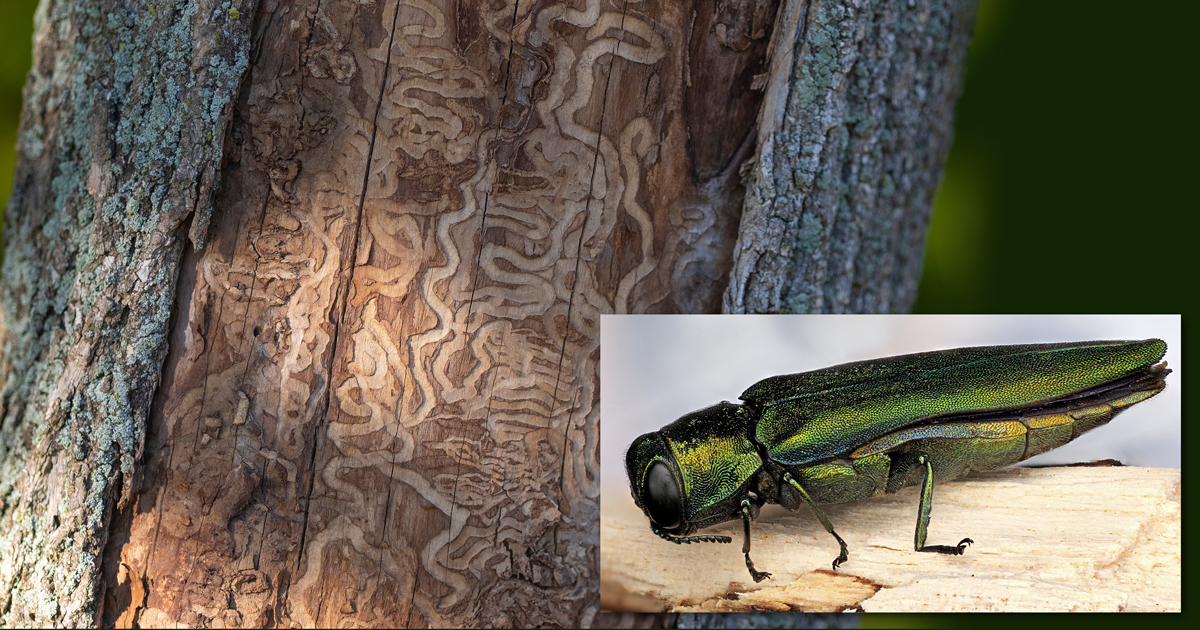
Ash Trees. The emerald ash borer has devastated ash populations across the Hudson Valley. Poughkeepsie’s management plan specifically addresses the epidemic, and many communities are still grappling with the decision to treat or remove. Dead ash trees that are still standing, sometimes called zombie trees, are especially dangerous because they can snap and fall without warning.
Callery Pear. Common in Beacon and Tivoli, Callery Pears are notorious for weak branch structure. They look fine until an ice storm or heavy snow hits, and then they split apart. Their short lifespan of around 30 years means many of the ones planted in the 1990s and 2000s are now failing.
Sugar Maple. While beloved for fall color, Sugar Maples are sensitive to salt, soil compaction, and drought. In suburban and village settings where they face all three stressors, they often decline faster than homeowners expect. Red Hook’s Sugar Maple population, the largest in its inventory, requires ongoing attention.
For a broader look at pest and disease threats, our articles on invasive species harming Hudson Valley trees and the history of tree disease in the Hudson Valley provide additional context.
How to Choose a Tree Service in Dutchess County
When you need tree removal, tree trimming, or emergency storm cleanup in Dutchess County, choosing the right company matters. Here is what to look for:
Licensing and insurance. New York State does not require a statewide license for tree work, which means anyone with a chainsaw can call themselves a tree service. Ask for proof of liability insurance and workers’ compensation coverage. If a worker is injured on your property and the company does not carry workers’ comp, you could be liable.
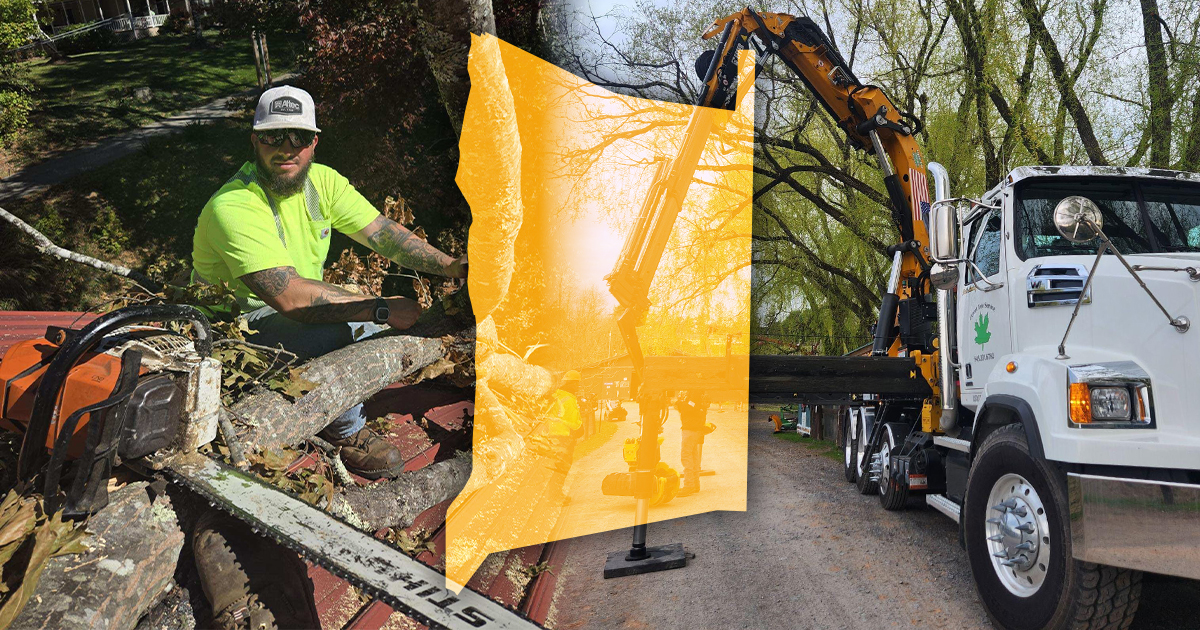
Equipment for the job. A company that only owns a pickup truck and a chainsaw is not equipped for most Dutchess County removal jobs. Large trees near structures require crane service, bucket trucks, and rigging equipment. Ask what equipment they will bring and how they plan to get the tree down safely.
Arborist knowledge. A qualified arborist can assess whether a tree actually needs to come down, or whether pruning, cabling, or treatment might extend its life. This saves you money and preserves healthy trees. Not every tree that looks bad needs to be removed.
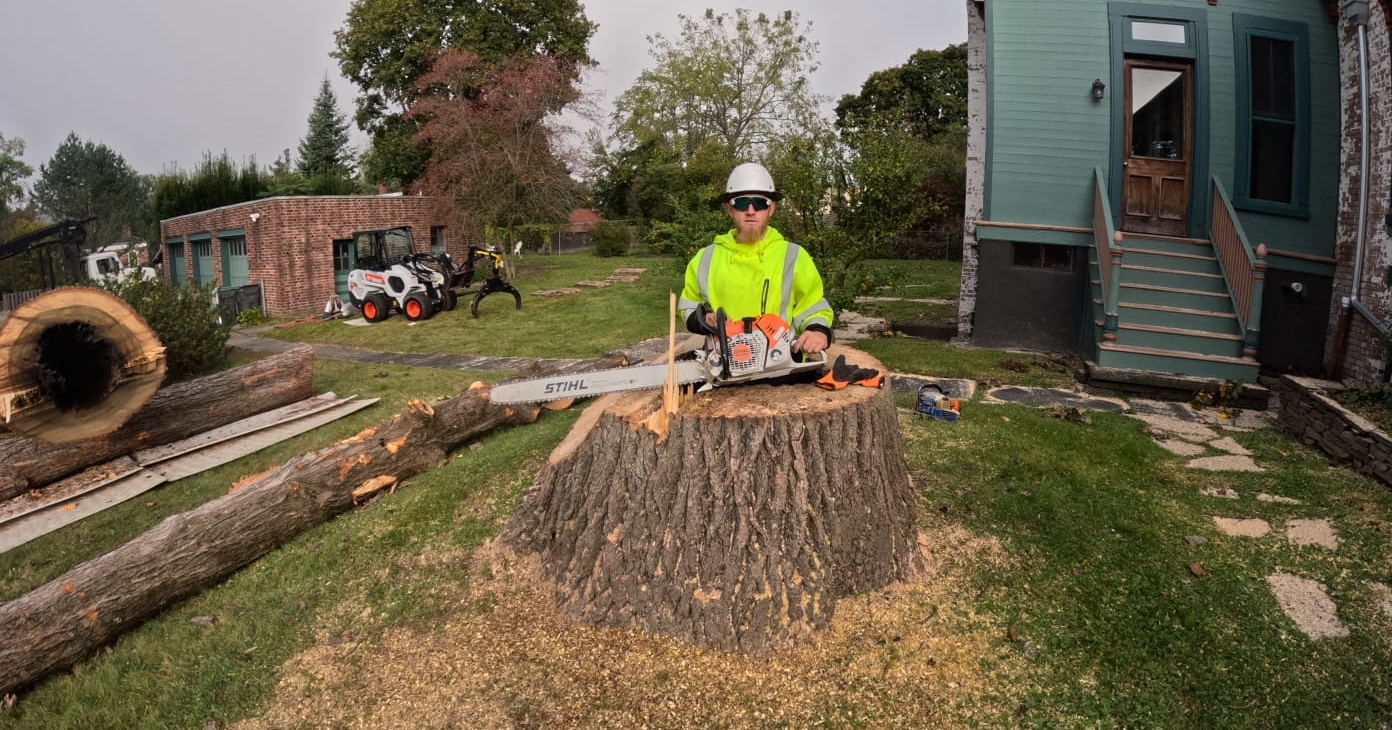
Stump grinding. Make sure removal includes stump grinding, or at least get a clear answer on whether it is an additional charge. A stump left behind invites regrowth and can attract pests.
Local experience. A company that works in Dutchess County regularly will know the local regulations, understand which species are causing problems in your area, and have relationships with the municipal offices if permits are needed. Our guide to finding the best tree removal company goes deeper on what to ask before hiring.
When Should You Remove a Tree?
Not every tree needs to come down. But there are clear warning signs that a Dutchess County homeowner should take seriously:
A tree leaning noticeably toward your house or a neighbor’s property is a high-priority concern, especially if the lean has developed recently or worsened after a storm. Our guide on when to remove a tree next to your house covers the specific risk factors to evaluate.
Large cavities or holes in the trunk do not always mean the tree is dying, but they do signal structural weakness. We explain what to look for in our article on tree cavities and what they mean.
Dead branches falling regularly, mushrooms growing at the base, bark peeling away in large sections, or a canopy that has thinned dramatically over one or two seasons are all signs that a professional assessment is warranted. Spring is an especially good time to inspect, as we cover in our piece on spring tree inspections for disease warning signs.
Trees near power lines are another common concern. Central Hudson handles lines to the pole, but from the pole to your house is your responsibility. Our article on trees near power lines in the Hudson Valley explains who is responsible for what.
The Best Time of Year for Tree Removal in Dutchess County
We remove trees year-round, but there are advantages to scheduling outside of peak season. Winter is often the best time for non-emergency removal: the ground is frozen so heavy equipment causes less lawn damage, there is no foliage so the crew has better sight lines, and scheduling is more flexible because demand is lower. Our article on why winter is the best time for tree removal explains the benefits in more detail.
Fall is also a strong option, especially if you want the tree down before winter storms arrive. We cover the reasoning in our piece on fall tree removal and trimming in the Hudson Valley.
For tree trimming and pruning specifically, the best time depends on the species, but most hardwoods benefit from dormant-season pruning in late winter.
Get a Tree Removal Estimate in Dutchess County
Expert Tree Service has been providing tree removal, tree trimming, stump grinding, and emergency storm cleanup across Dutchess County since 1936. We are licensed, insured, and available 24/7 for emergency calls. Whether you are in Poughkeepsie, Rhinebeck, Red Hook, Pawling, Beacon, Tivoli, or anywhere in between, we can be on-site to assess your tree and give you an honest recommendation.
Call us at 845-331-6782 or contact us online to schedule a free on-site estimate.