We’ve been working trees across the Hudson Valley since 1936. Over the decades, you get familiar not just with how to remove or trim a tree, but with which species dominate in which towns, which pests are moving through which neighborhoods, and what the soil and elevation differences mean for how a tree grows and fails.
Several of the towns we serve have commissioned professional tree inventories, which are formal counts of every street tree, by species. Those inventories are useful documents, and we’ve drawn on them here to give you a town-by-town look at the most common trees in Rosendale, Tivoli, Beacon, Pawling, and Athens, along with care guidance for each species.
If your tree needs professional attention like trimming, cabling, or tree removal, give us a call at 845-331-6782.
Common Trees in Rosendale, NY
The Town of Rosendale sits about half an hour south of our Saugerties headquarters on Route 9W. It’s a small town by population but substantial in tree cover, and a Natural Resources Inventory conducted by the town identified close to a dozen distinct forests, woodlands, thickets, and swamps, each with different soil and topography.
White Pine
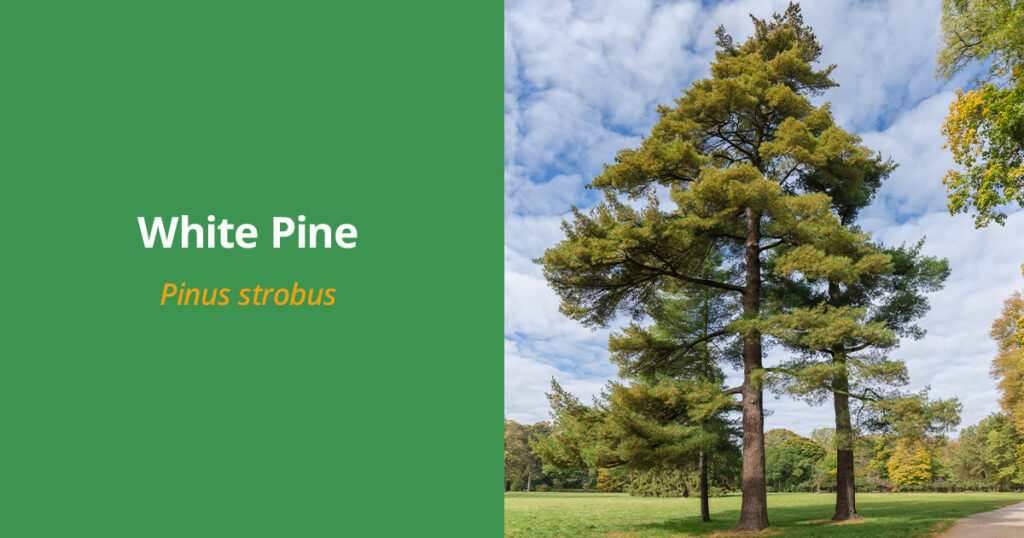
White pine was a foundational species in Northeastern forests, but recent patterns of cool, moist weather have contributed to measurable decline. Needle diseases and caliciopsis cankers are the most common problems we see. White pines do best in moist, well-drained, acidic soil and struggle near roads where salt spray reaches them.
Chestnut Oak
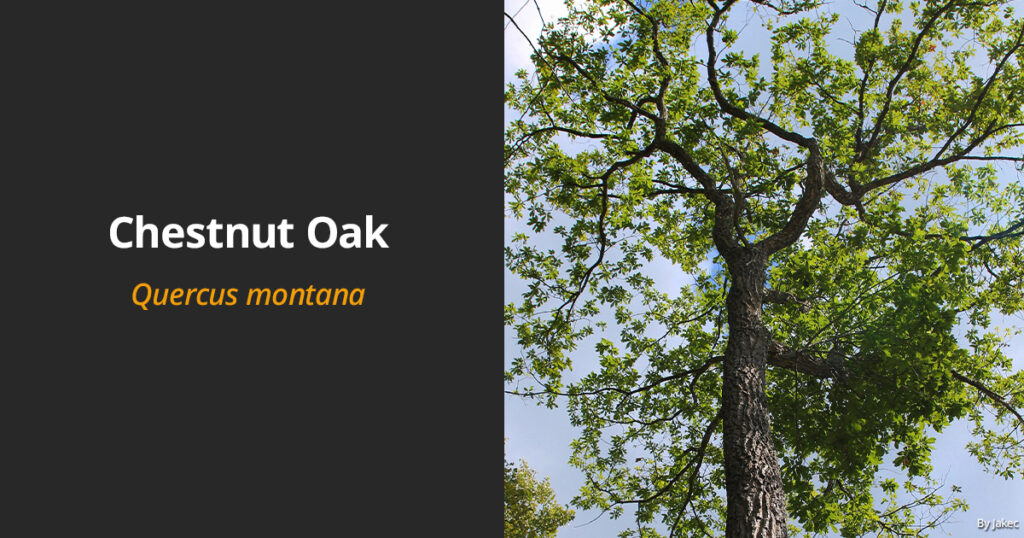
Chestnut oak emerged in the early 1900s to fill the gap left by American chestnuts, which were destroyed by blight. Today the biggest threat is spongy moth outbreaks, which have hit chestnut oaks hard across our service area in recent years. Regular watering, fertilizing, and pruning extend their health; keep the mow line away from the base.
Beech
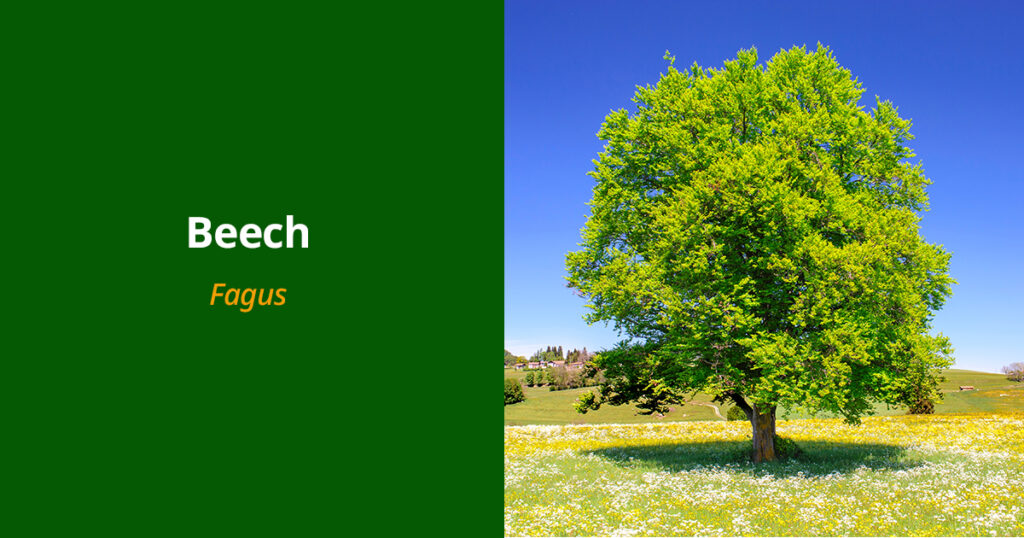
Rosendale’s beech trees face a compounding set of threats: beech bark disease has been established here for decades, and beech leaf disease, identified more recently, is now spreading across the Hudson Valley. Deer browsing damages the understory around beech stands. Beech trees grow slowly and need deep, well-drained soil; they don’t tolerate compaction from driveways or sidewalks.
Pitch Pine
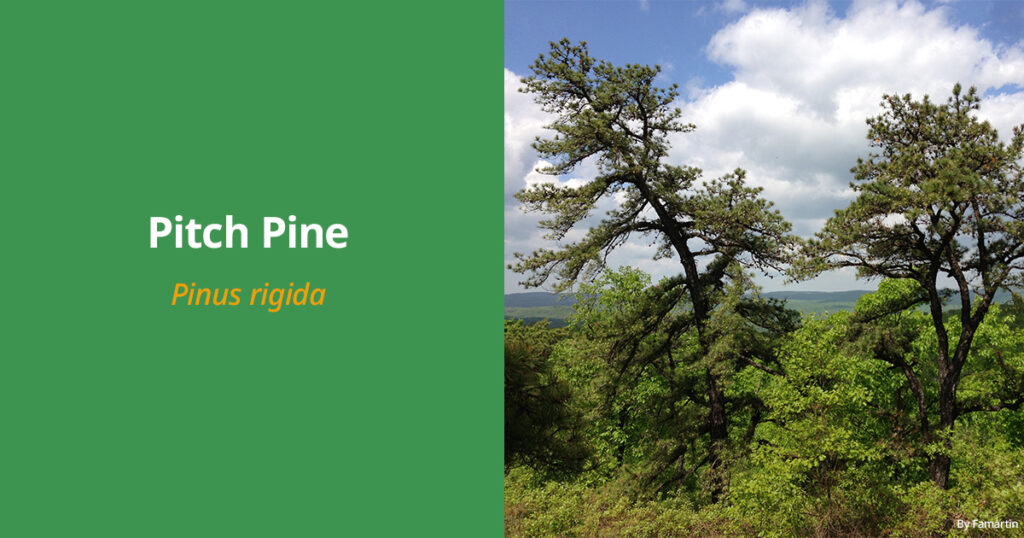
Pitch pine is uncommon in New York, and Rosendale is one of the areas where it still appears. Their resin was historically used to caulk ships; today they face pressure from spongy moth and southern pine beetle. Pruning dead branches, fertilizing, and mulching help. They evolved with fire, which means fire-suppression in the landscape actually works against them long-term.
Hemlock
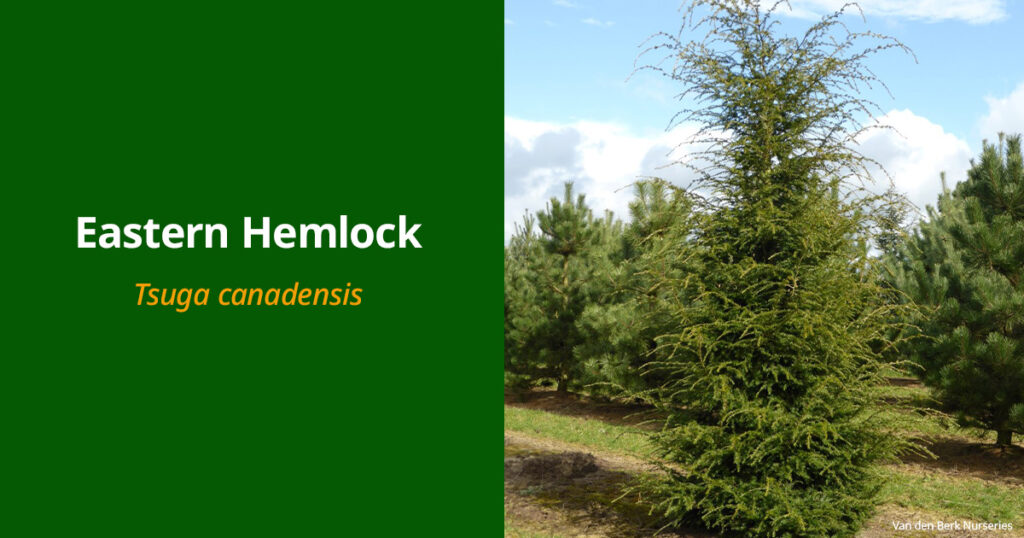
The New York State DEC ranks hemlock as the fourth-most common tree in the state’s forests. The main threat here is hemlock woolly adelgid, which blocks water and nutrient flow to buds. Insecticide treatments work well against adelgid; otherwise, water regularly, fertilize, and keep hemlocks back from roads if possible to reduce salt exposure.
Red Maple
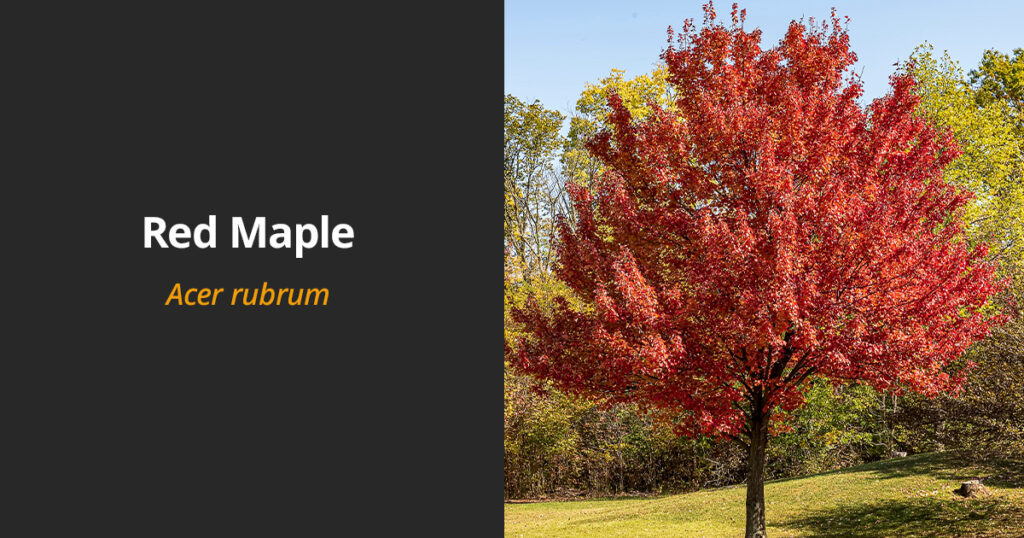
Red maple is one of the most common trees in New York. It’s tolerant, adaptable, and relatively low-maintenance, and it wants full sun and regular watering when young but doesn’t need aggressive pruning or fertilizing once established.
Common Trees in Tivoli, NY
Tivoli has a well-documented relationship with its trees. The village’s Local Waterfront Revitalization Program explicitly calls out tree planting and care as a priority, and mourns the loss of the elm trees that once lined its streets. In 2023, the Village of Tivoli Tree Committee completed a formal inventory of all public street trees. The six most common species, tallied from that report:
Callery Pear – 17 Trees
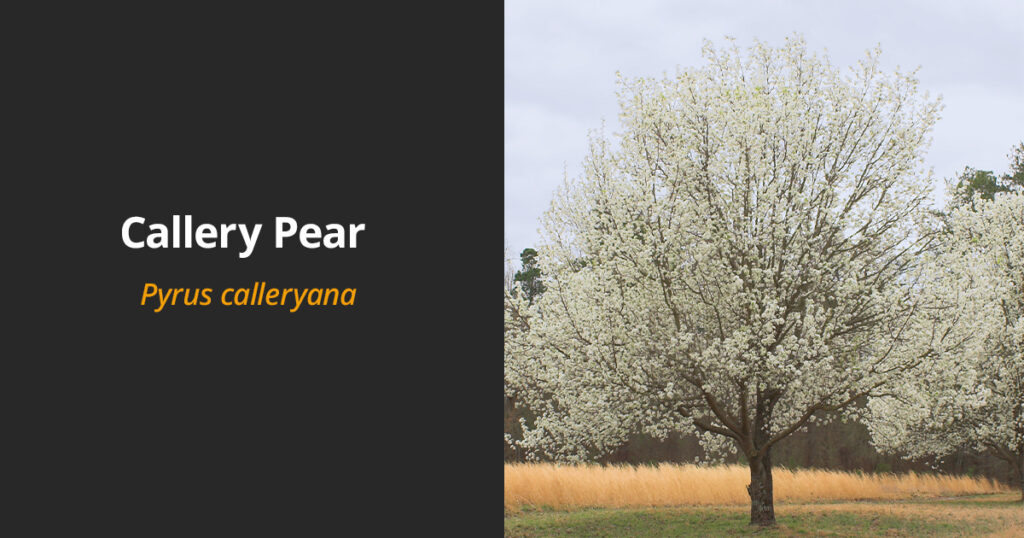
Fast-growing with early spring flowers and good tolerance for compacted urban soil. The structural weakness is the issue: Callery pear branches are prone to failure under snow and ice load, the kind of load a Hudson Valley nor’easter delivers regularly. Prune every two to three years to improve branch structure. This species won’t outlast most others on this list.
Sugar Maple – 10 Trees

One of the signature trees of the Hudson Valley. Sugar maples are sensitive to road salt and drought; deep watering during dry stretches in July and August makes a real difference. Minimal pruning, remove deadwood, that’s about it.
Katsura – 5 Trees
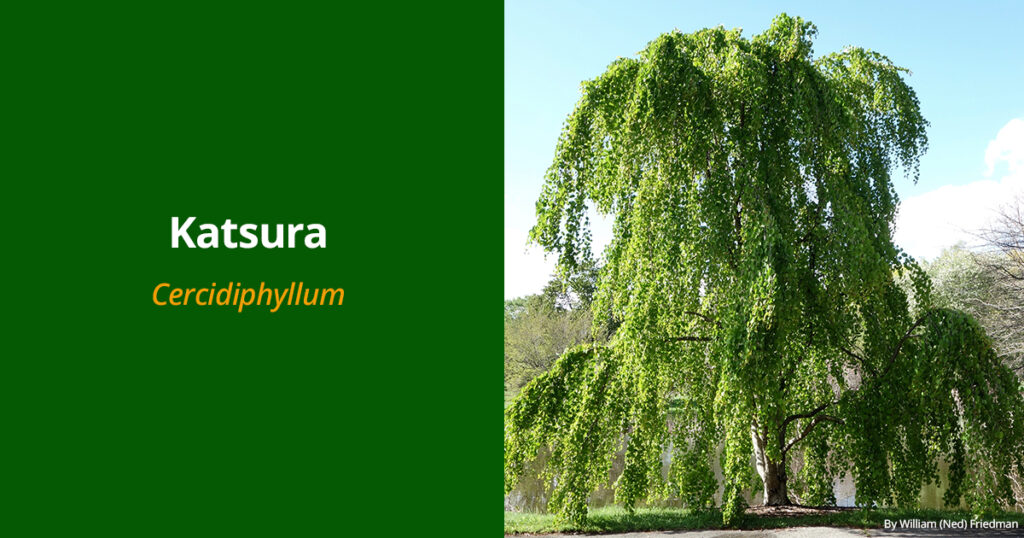
Known for heart-shaped leaves and excellent fall color. Katsura need consistent moisture and prefer partial shade to blasting afternoon sun. Light winter pruning is tolerated well. A good fit for shaded village streets.
Redbud – 5 Trees
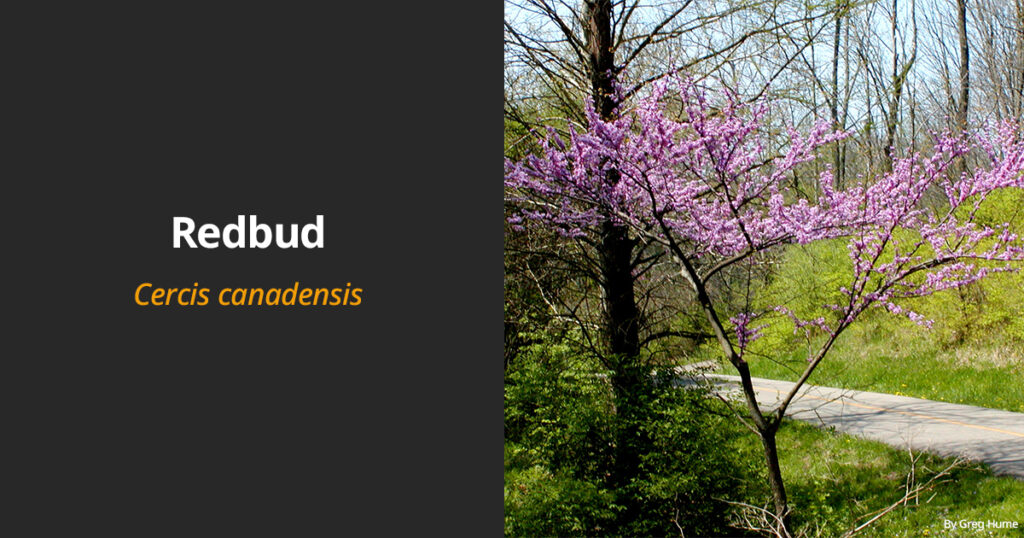
Eastern redbuds produce striking magenta flowers in early spring and are popular with pollinators. They tend toward a shorter lifespan than canopy trees. Water regularly in the first two to three years; remove crossing branches early to prevent future structural problems.
Serviceberry – 5 Trees
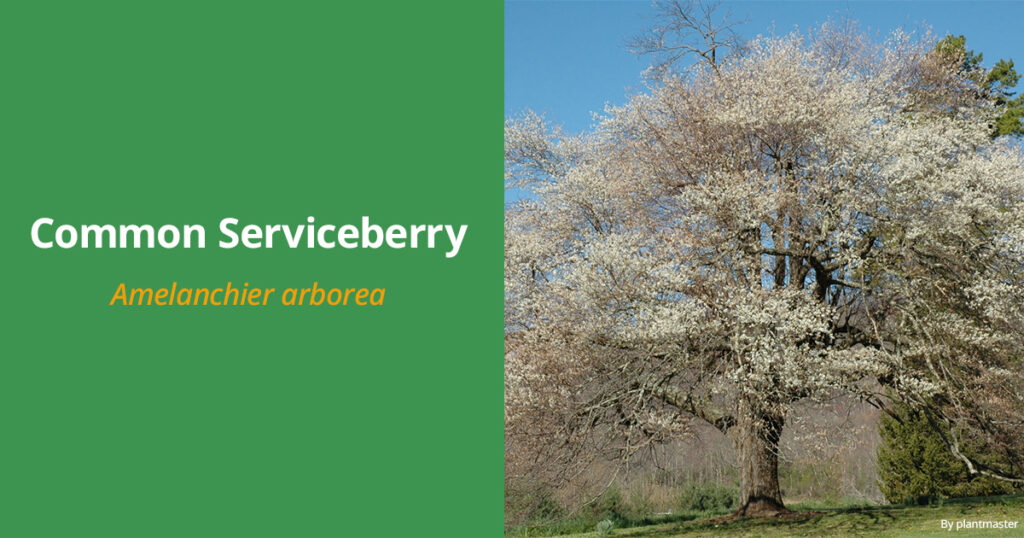
Spring flowers, edible berries, and significant wildlife interest. Occasional pruning to improve air circulation is the main maintenance requirement.
Dogwood – 4 Trees

Dogwoods are sensitive to heat, drought, and disease stress. They do best on shaded side streets, away from full afternoon sun. Water during dry periods; don’t push them into exposed, sunny spots.
Common Trees in Beacon, NY
In 2013, the City of Beacon commissioned a formal inventory of all 855 street trees across 1,075 sites within ten feet of the road. That inventory provides a precise picture of what’s growing along Beacon’s streets. The ten most common species from that count:
Red Maple – 106 Trees
The most common street tree in Beacon. Prune regularly to remove dead, diseased, and crowded branches. Red maples have a shallow root system, so mulch around the base to retain soil moisture and regulate temperature. Watch for aphids, scale, anthracnose, and verticillium wilt.
Norway Maple – 70 Trees
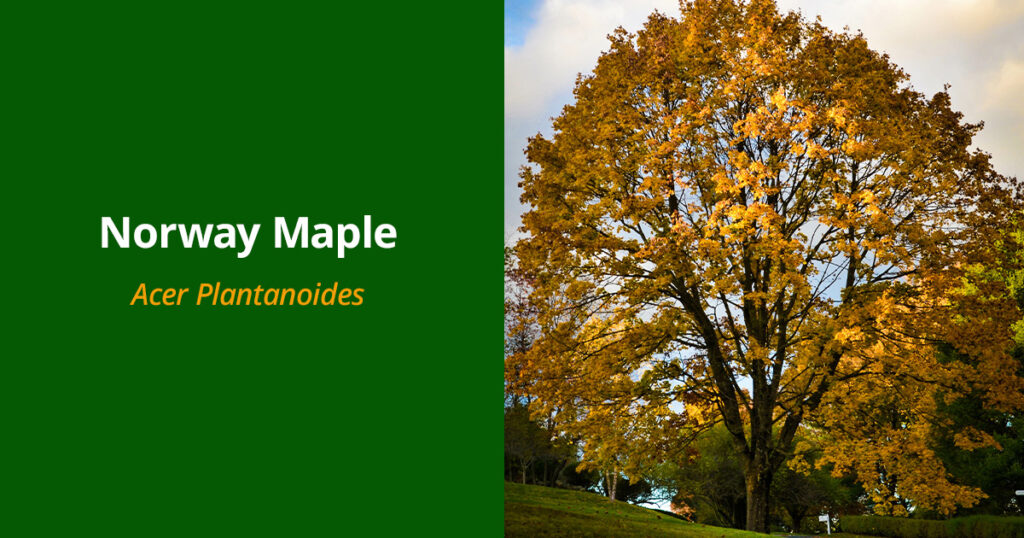
Low-maintenance and widely planted in municipal settings for that reason. Mulching helps retain moisture and suppress weeds. Norway maples are invasive in many Hudson Valley natural areas – worth knowing if you’re considering planting one.
Callery Pear – 70 Trees
Tolerant of pollution and compacted soils, which is why they’ve been planted widely in cities. Lifespan is relatively short, typically under 30 years. The dense thicket they form can crowd out other species, and like in Tivoli, ice and snow loading is the structural risk to watch.
Honey Locust – 69 Trees

Adaptable and attractive, with fine-textured foliage. Vulnerable to honey locust plant bugs and spider mites, regular inspection is important. Discoloration or premature leaf drop are the warning signs.
Little-Leaf Linden – 45 Trees
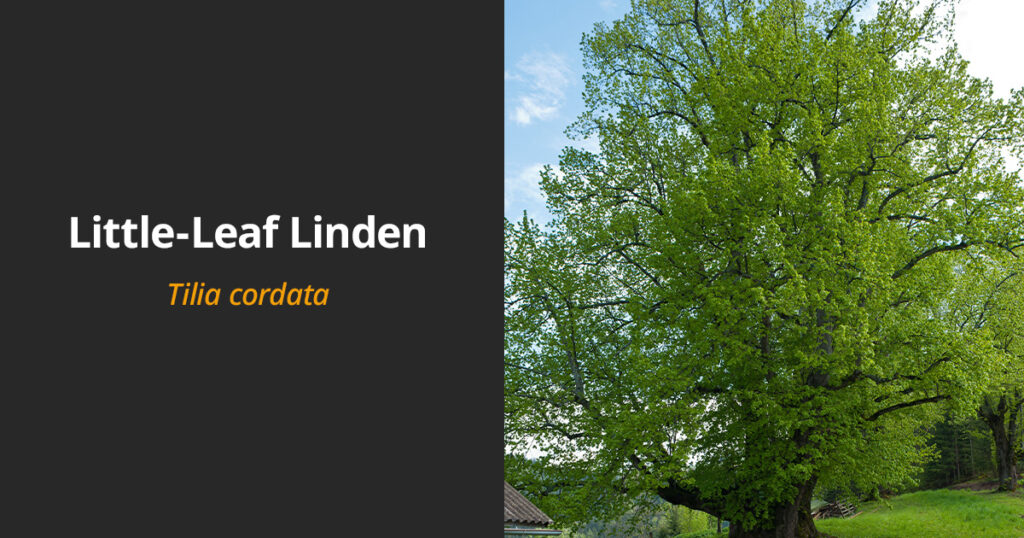
Valued for its flowers and dense shade canopy. Aphid infestation produces honeydew, which leads to sooty mold on leaves and on anything below the tree. Regular inspection catches this early.
Zelkova – 43 Trees
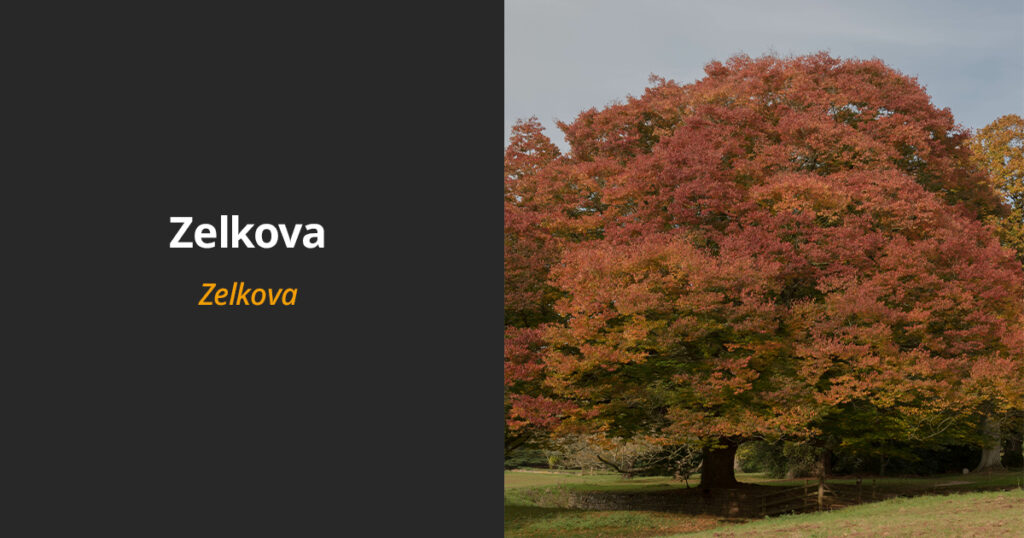
A large tree (sometimes reaching 100 feet) that handles urban conditions well. Regular pruning and inspection for aphids and rot diseases. Adaptable to a range of soils.
Red Oak – 35 Trees
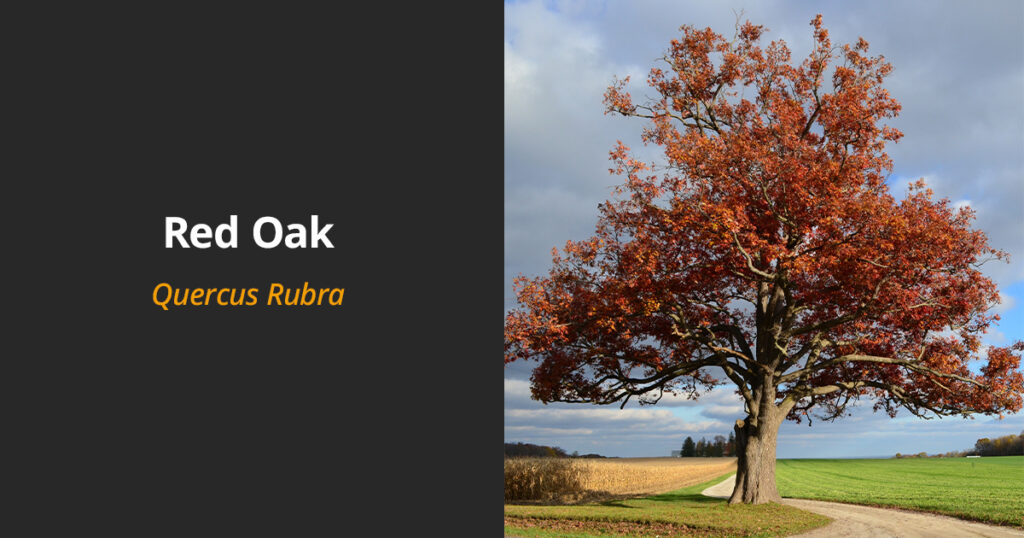
Low maintenance once established. Regular pruning is important specifically to reduce oak wilt risk – don’t skip it.
Black Locust – 35 Trees
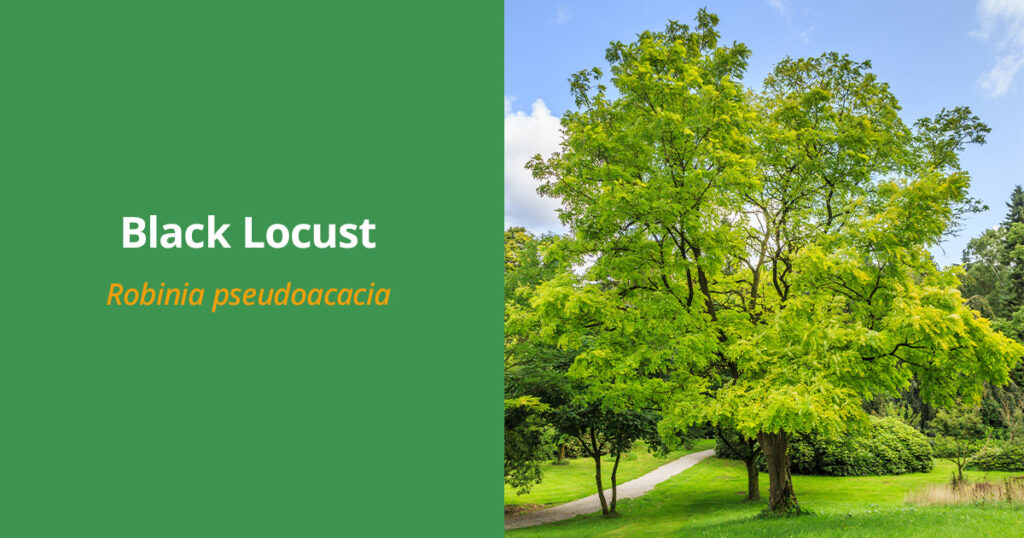
Fast-growing with rot-resistant wood and spring blossoms. The main vulnerability is the locust borer beetle, which can significantly weaken the tree’s structure. Watch for sawdust-like frass and entry holes in the bark.
London Planetree – 33 Trees
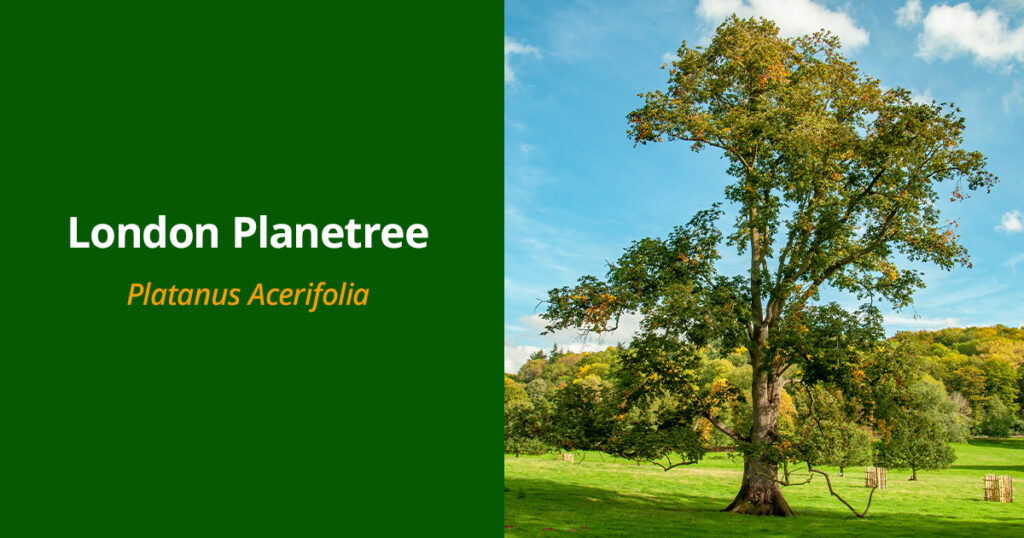
Handles city conditions well. Prefers deep, well-draining soil and full sun. Prune during dormancy to maintain form.
Black Tupelo – 28 Trees
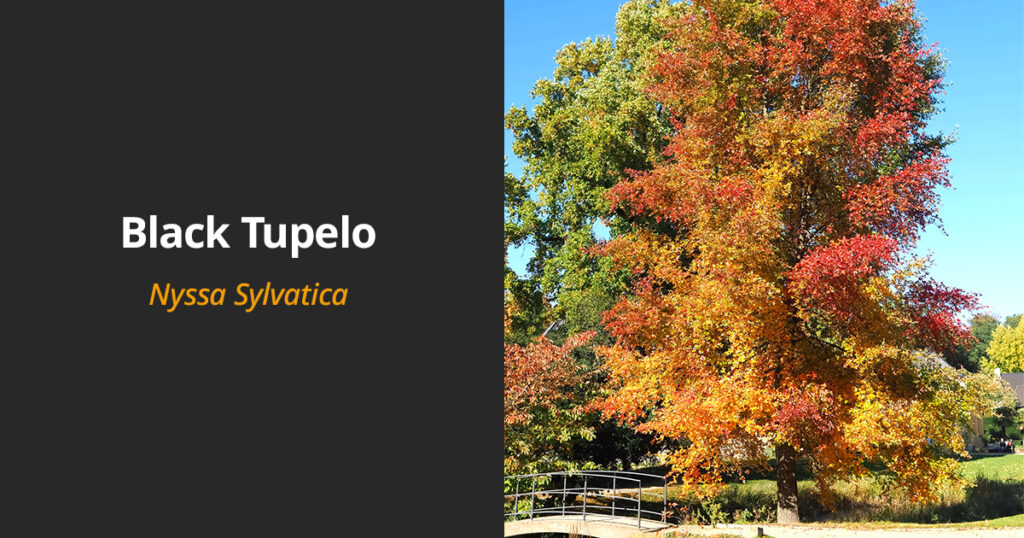
Also called black gum. Slow-growing and very long-lived, providing fruit to birds and wildlife. Needs room — can eventually reach 50 feet. Requires almost no maintenance once established.
Common Trees in Pawling, NY
In 2021, the Town of Pawling received a $25,900 grant from the New York State DEC to conduct a professional tree inventory. The ten most common species from that inventory:
Norway Spruce – 250 Trees
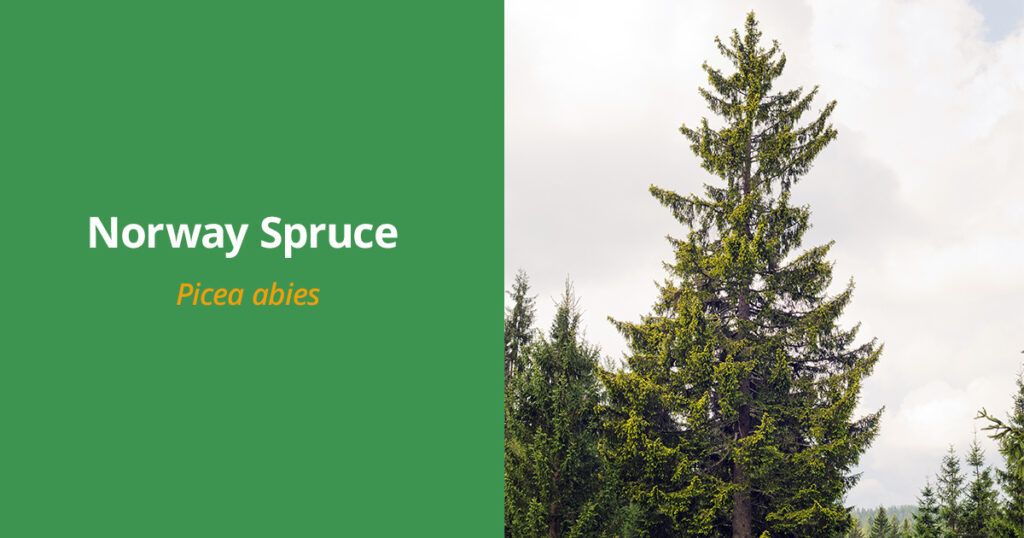
By far the most numerous tree in Pawling’s inventory. Needs full sun and well-drained soil; can reach 60 feet with a 25–30 foot spread. Water regularly the first two years. Apply 2–3 inches of mulch to the drip line to retain moisture. Prune dead and diseased branches in late winter. Inspect for spruce spider mites and aphids.
Norway Maple – 206 Trees
Second most common. Adaptable to most soils; water regularly through establishment. Prune in late winter or early spring. Watch for aphids, tar spot, and anthracnose.
Sugar Maple – 133 Trees
Plant in well-drained, slightly acidic soil with full to partial sun. Regular watering during dry spells, annual mulching, and late-winter pruning to remove dead wood and reinforce structure. Watch for Asian longhorned beetle and tar spot.
Black Cherry – 92 Trees

Full sun and well-drained soil. Water young trees regularly. Prune in late winter to remove dead and diseased wood. Common problems: tent caterpillars and black knot disease.
Black Locust – 74 Trees
Full sun, well-drained soil, drought-tolerant once established. Prune in late winter. Watch for locust borers and leaf spot.
Red Maple – 72 Trees
Adaptable to a range of moisture and soil conditions. Water regularly during dry periods. Prune in late winter. Watch for aphids and verticillium wilt.
Ash – 54 Trees
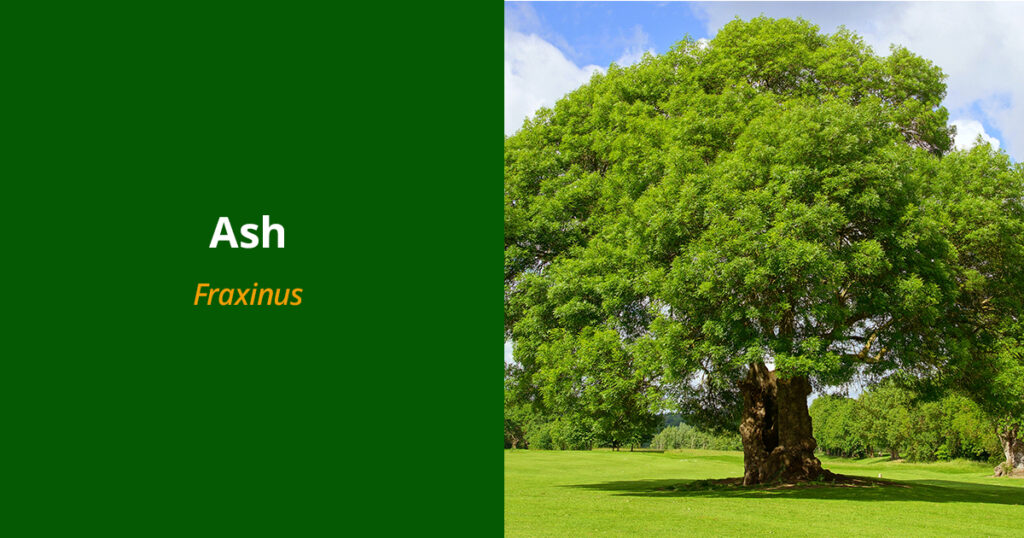
If you have an ash tree in Pawling, the emerald ash borer is the main concern as has been documented throughout Dutchess County. Monitor closely and consult a professional if you see D-shaped exit holes, serpentine galleries under bark, or crown dieback. Water during dry spells and prune during dormancy.
Red Oak – 52 Trees
Full sun, well-drained soil. Deep watering during dry periods to support root establishment. Inspect for oak wilt and prune dead or diseased wood during dormancy.
Eastern Red Cedar – 38 Trees
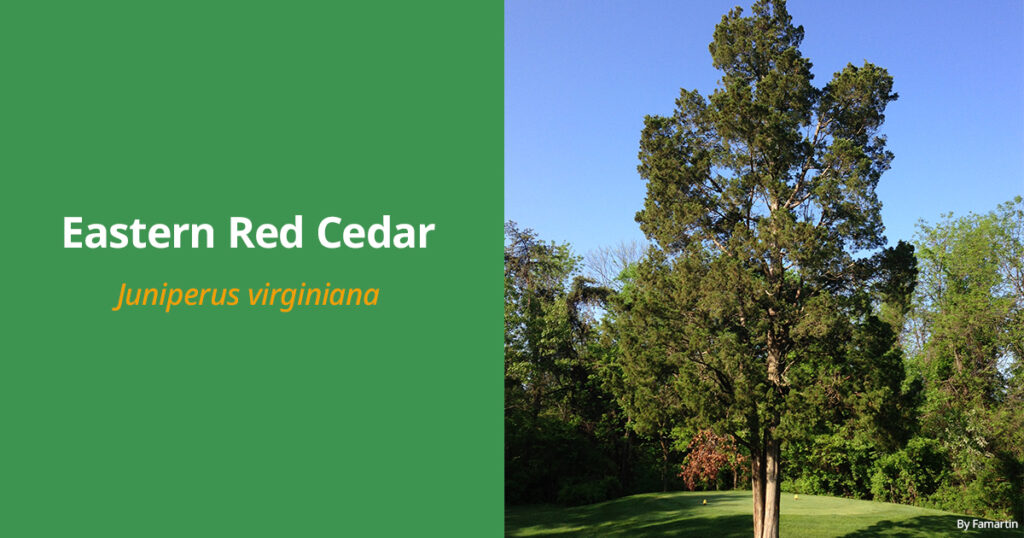
Full sun, well-drained soil. Regular pruning maintains shape and improves air circulation, reducing disease risk. Annual mulching helps through harsh winters.
Black Birch – 36 Trees
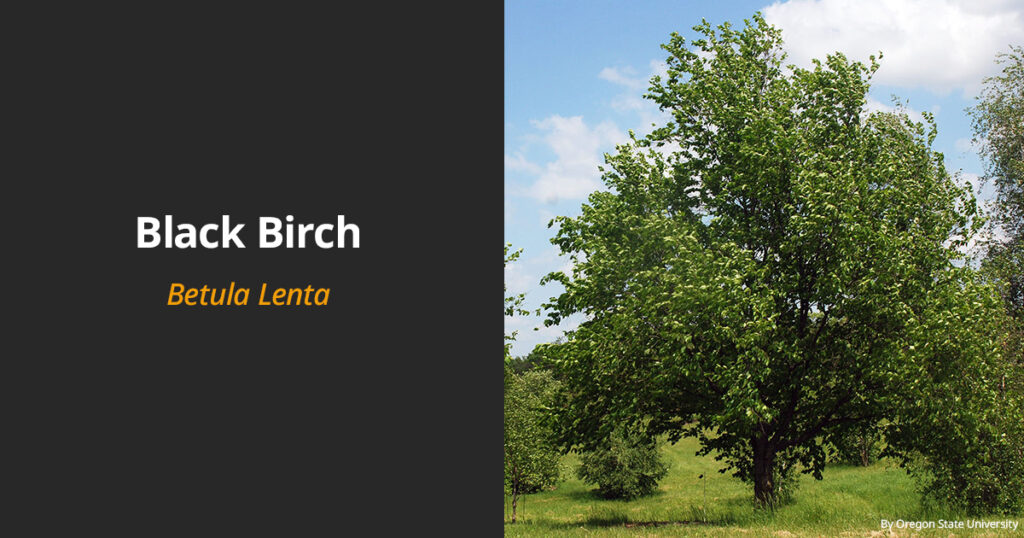
Prefers moist, well-drained soil with partial to full sun. Lower-maintenance than many species on this list.
Common Trees in Athens, NY
Athens is Greene County’s first incorporated village and in 2020, it was designated a Tree City USA, a recognition that requires a formal tree inventory and a tree care plan. The eight most common trees in Athens:
Sugar Maple – 51 Trees
Athens falls in Plant Hardiness Zone 6a, which suits sugar maples well. Deep watering during dry spells supports the root system and fall color. Mulch around the base to conserve moisture and protect roots from temperature swings. Keep away from roads where road salt can cause decline.
Norway Maple – 39 Trees
A broad, rounded crown that can reach 30 meters. Water young trees through establishment; mulch around the base (not against the trunk). Regular pruning removes dead and overcrowded branches and improves air circulation. Monitor for invasive spread into natural areas.
Callery Pear – 35 Trees
Popular ornamental with showy spring flowers. Full sun, well-drained soil. Water young trees to establish root system. Prune in late winter to maintain shape and remove crossing branches. Watch for fire blight, and remove infected branches promptly and sterilize tools between cuts.
Red Maple – 22 Trees
Full sun to partial shade; adaptable across moisture and soil conditions. Water regularly, especially during dry spells. Prune in late winter. Watch for aphids and scale; mulch around the base to retain moisture.
Crabapple – 20 Trees
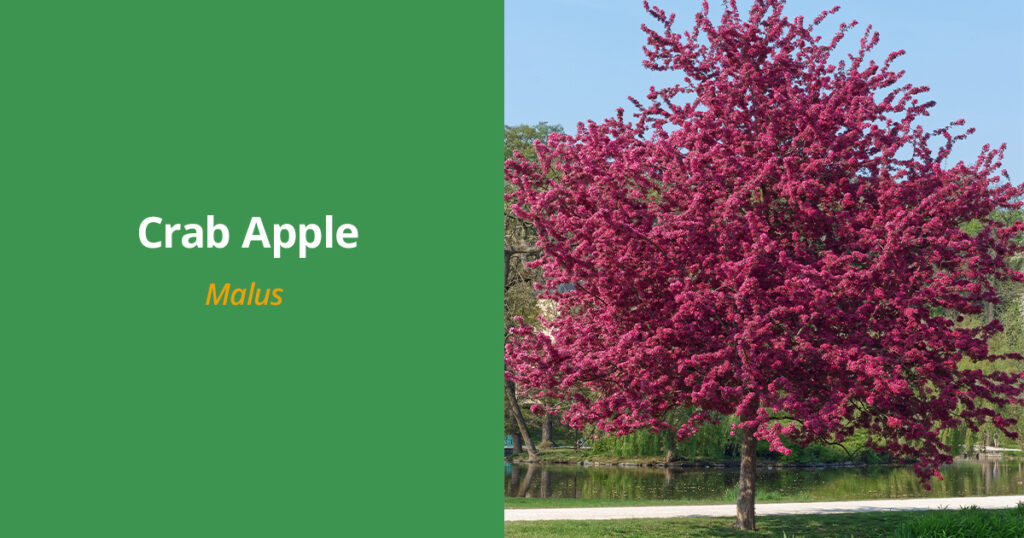
Full sun and well-drained soil. Prune in late winter to maintain shape and remove diseased wood. Inspect regularly for aphids and apple scab. Long-lived, up to 100 years, with appropriate care.
Honey Locust – 12 Trees
Fast-growing with attractive foliage and long lifespan (around 120 years). Regular pruning maintains shape and removes thorny branches. Watch for honey locust plant bug, especially during dry summers.
Silver Maple – 12 Trees
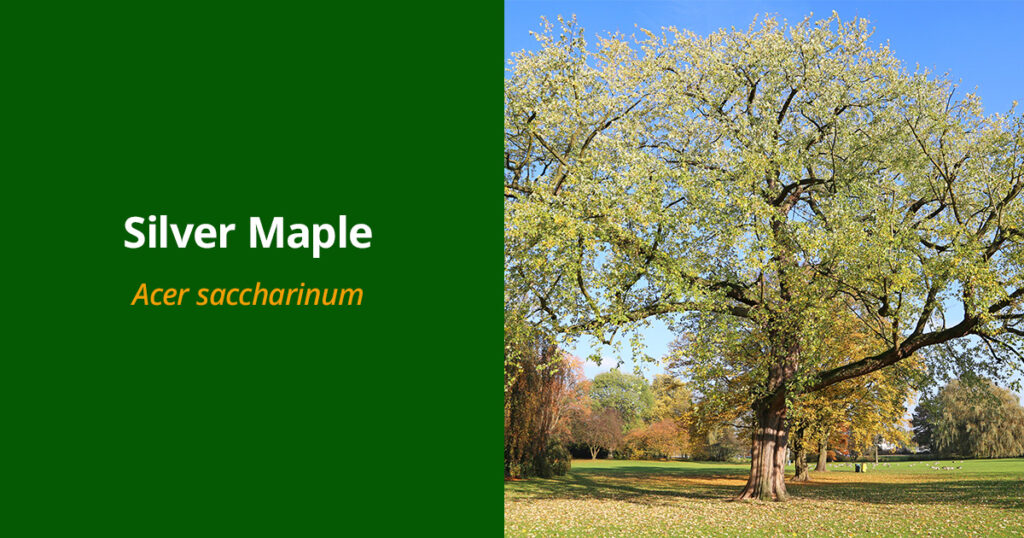
Needs full sun and good drainage, and does not tolerate waterlogged soil. Prune dead and damaged branches regularly. Be aware of the extensive root system when planting near structures, walkways, or driveways.
Black Walnut – 11 Trees
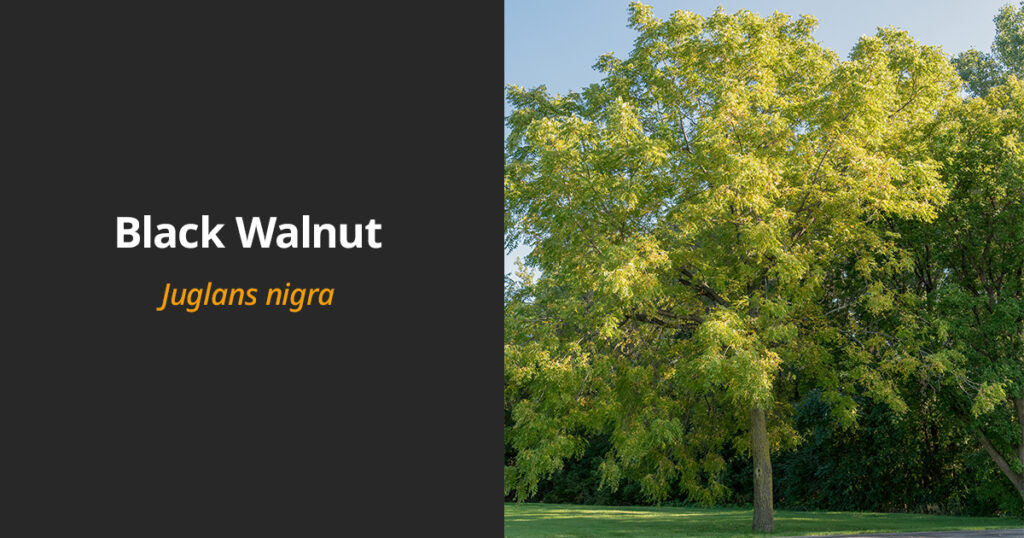
Needs room, as mature trees reach 98 to 131 feet. Full sun. Inspect for pests and disease regularly and prune dead or damaged wood as needed. The roots produce juglone, which is toxic to certain nearby plants; plan plantings around an established black walnut accordingly.
Get Help with Your Trees
Expert Tree Service has been working in Rosendale, Tivoli, Beacon, Pawling, Athens, and throughout the Hudson Valley since 1936. Whether your tree needs trimming, cabling, or removal, call us at 845-331-6782 for a free estimate.
We serve Ulster, Dutchess, Greene, and Columbia counties.