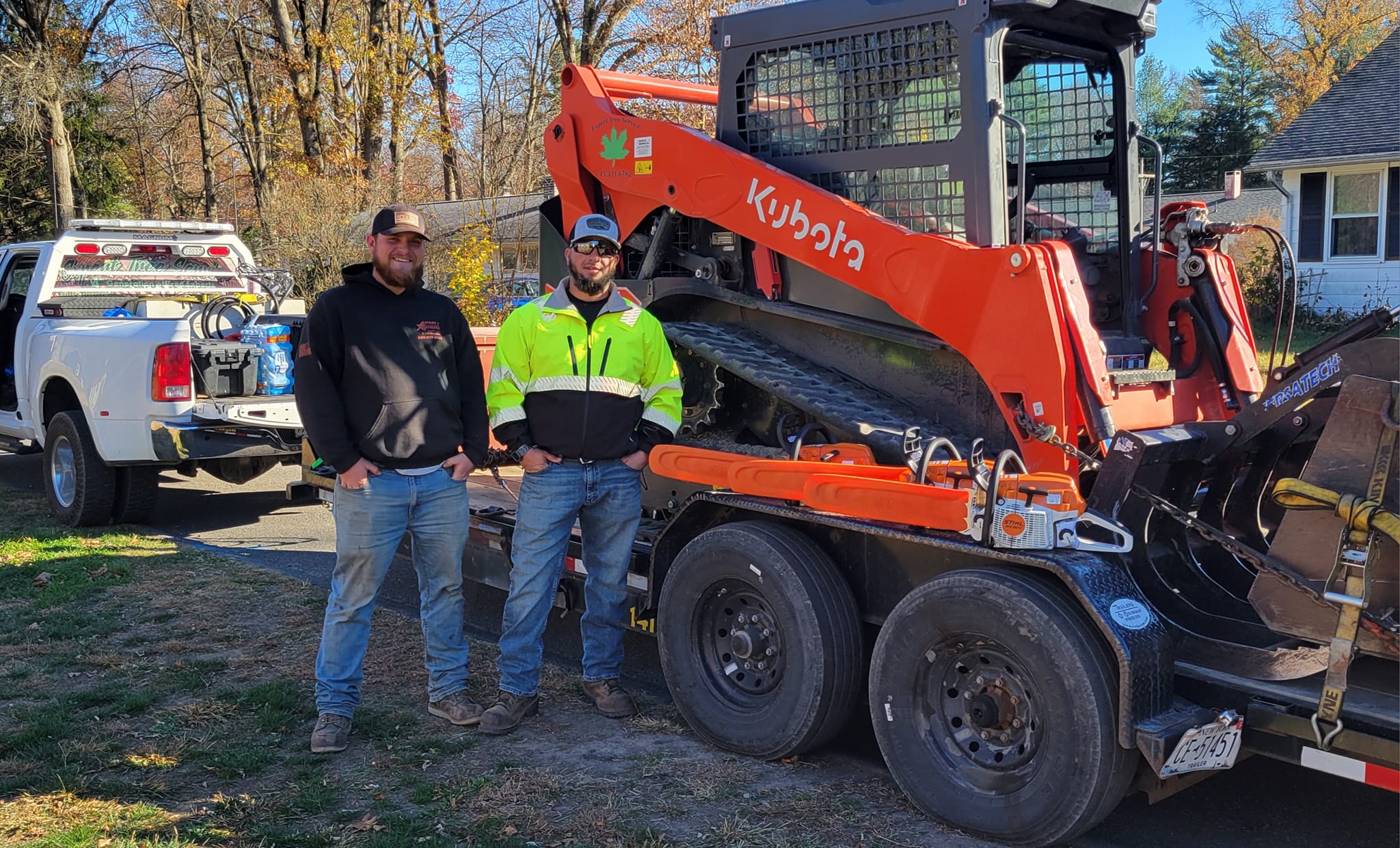
Expert Tree Service removes trees for homeowners and property managers in Volusia County. The company has done tree work in New York’s Hudson Valley since 1936. Estimates are free. Call 386-286-4341.
Florida Trees That Often Need Removal
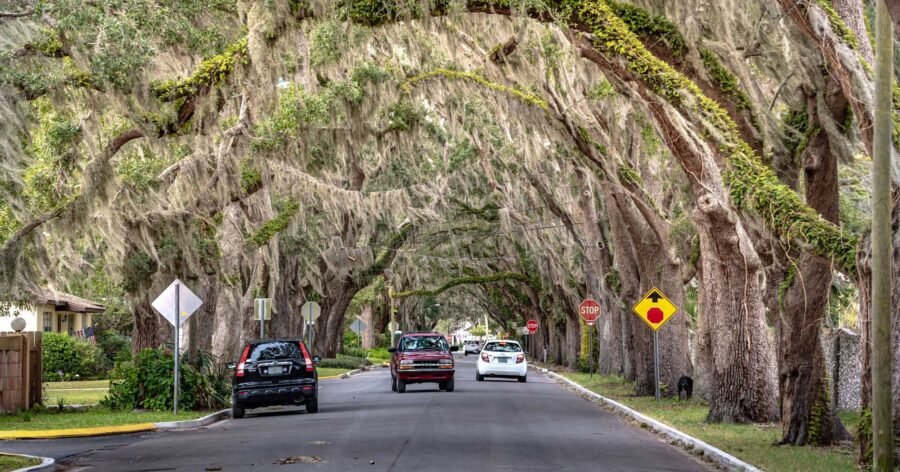
Laurel oaks. A fast-growing native shade tree with a short life. UF/IFAS puts its life span at 50 to 70 years and notes that the trunk and large limbs often go hollow. A column of decay can run 10 to 20 feet up the trunk from one old wound or bad pruning cut. A laurel oak can be full and green and still be hollow.
Water oaks. They decay in much the same way. UF/IFAS puts water oak and laurel oak in its lowest wind-resistance group.
Pines. Slash, longleaf and sand pines all rank below live oak for wind resistance. Pines can also die six months to two years after a storm, and stressed pines draw Ips beetles. A pine browning from the top down is usually dying.
Palms. Ganoderma butt rot is a fungus that rots the lower trunk. It has no cure, and UF/IFAS advises removing the palm as soon as the shelf-like conks appear. Lethal bronzing, which kills cabbage palms and other species, has been confirmed in Volusia County.
Invasive trees. Brazilian pepper, Chinese tallow and camphor are Category I invasive species in Florida. Volusia County lists them as nuisance trees, exempt from its tree permit.
Signs a Tree Should Come Down
- Fungus conks, cavities or soft wood at the base of the trunk
- A new or worsening lean, or cracked soil on one side of the roots
- Large dead limbs, or a pine browning from the top
- Trunk cracks or split branch unions after a storm
- Roots lifting a slab, pool deck or driveway
- A tree in the footprint of a planned addition, pool or driveway
Some of these can be fixed with pruning. We’ll tell you when that’s the case.
How a Removal Works
We look at the tree and at everything within reach of it: the house, the pool cage, fences, the neighbor’s roof and overhead lines. We also check which permit rules apply to your address. The tree removal permit guide covers them.
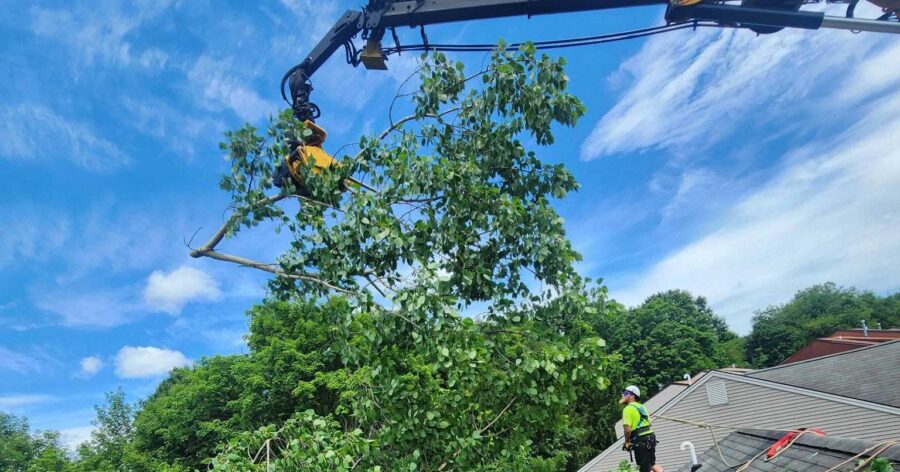
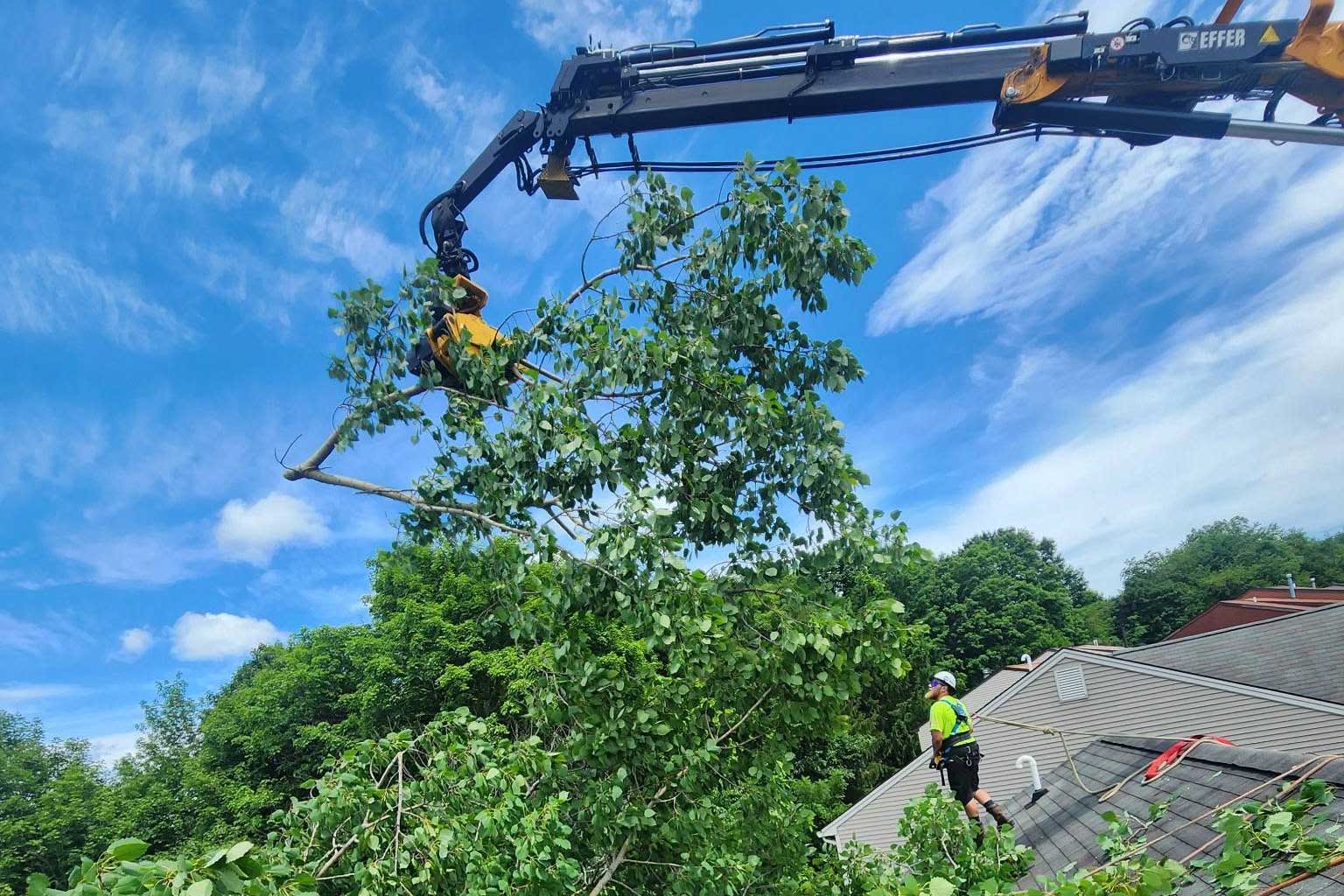
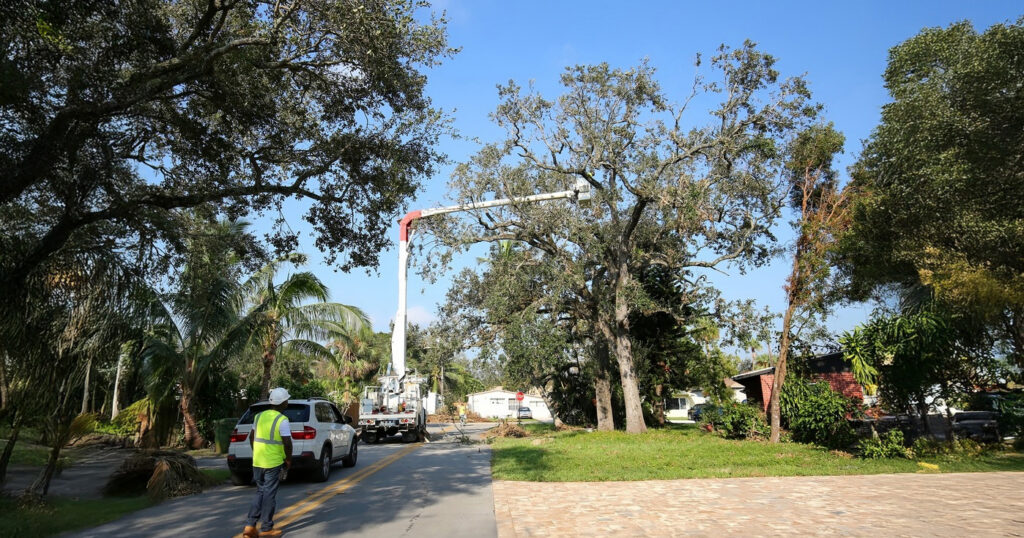
Where there’s room, the tree is felled in one piece. Most backyards don’t have room, so the tree comes down in sections, each one lowered on ropes. Brush is chipped and the wood is hauled away.
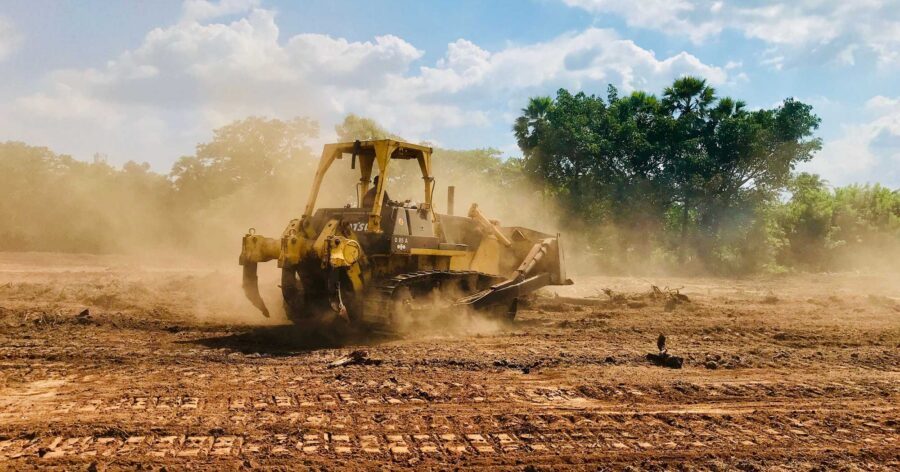
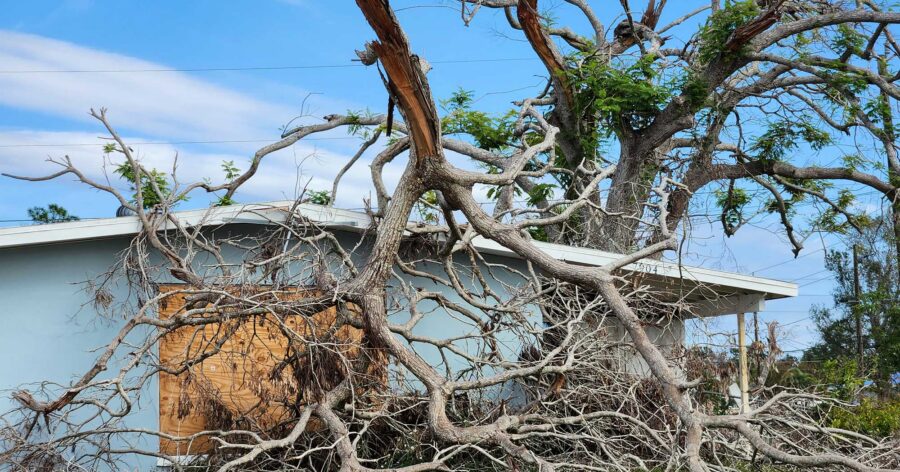
If a tree is already down or hung up after a storm, see storm and hurricane cleanup. For several trees or a whole lot, see land clearing.
What Tree Removal Costs
Every removal is priced on site. The price depends on:
- Size and species. A 70-foot laurel oak is a different job from a 25-foot queen palm.
- What’s under it. A tree over a pool cage or roof takes more rigging than one at the back of an open lot.
- Access. Narrow side yards, fences and soft sand limit what equipment can reach the tree.
- Condition. Hollow or storm-damaged wood has to be handled more carefully.
- Permits. Government permit fees are separate from our price.
Questions
Do I need a permit to remove a tree in Volusia County?
It depends on your address, the type of property and the tree. In unincorporated Volusia, trees at owner-occupied single-family and two-family homes are generally exempt, except in wetlands and upland buffers. Vacant lots and commercial properties need a permit. Cities set their own rules. See the permit guide.
Do palms count as trees under the permit rules?
Often, yes. Volusia County’s ordinance defines a tree by trunk size, not type. A palm with a trunk 6 inches or more across at 4½ feet up can be regulated. Each city has its own definition.
Where We Work
Daytona Beach, Ormond Beach, New Smyrna Beach, DeLand, Port Orange, Deltona, DeBary, Orange City and Edgewater. See all Volusia County tree services.
Recent Posts
- 15 Florida Native Trees for a Volusia County Yard, Ranked by How They Held Up in Hurricanes
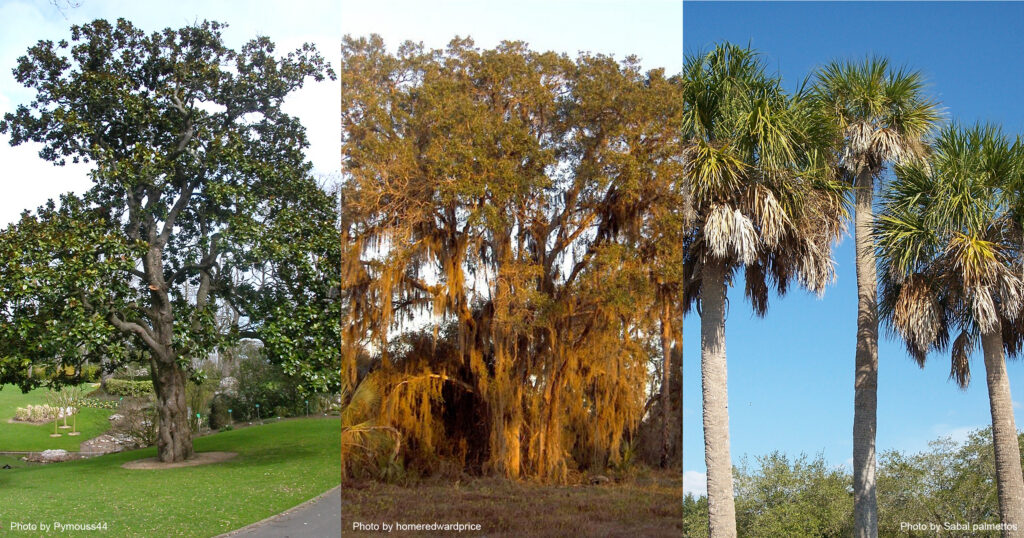 Five hurricanes have hit Volusia County since 2016. Each time, some trees came through and...
- Palm Tree Trimming in Volusia County: What to Cut, What to Leave, and What the Hurricane Data Says
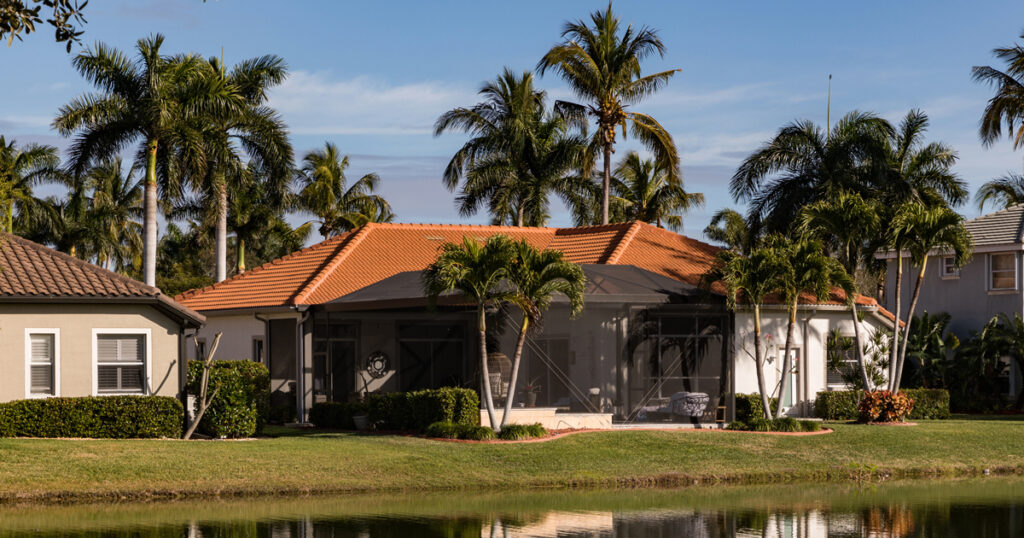 Most palms in Florida are trimmed too hard. The crews doing it often mean well,...
- Do I Need a Permit to Remove a Tree in Volusia County? One Oak, Five Answers
 The short answer: it depends on which side of a city limit line the tree...